We are a commune of inquiring, skeptical, politically centrist, capitalist, anglophile, traditionalist New England Yankee humans, humanoids, and animals with many interests beyond and above politics. Each of us has had a high-school education (or GED), but all had ADD so didn't pay attention very well, especially the dogs. Each one of us does "try my best to be just like I am," and none of us enjoys working for others, including for Maggie, from whom we receive neither a nickel nor a dime. Freedom from nags, cranks, government, do-gooders, control-freaks and idiots is all that we ask for.
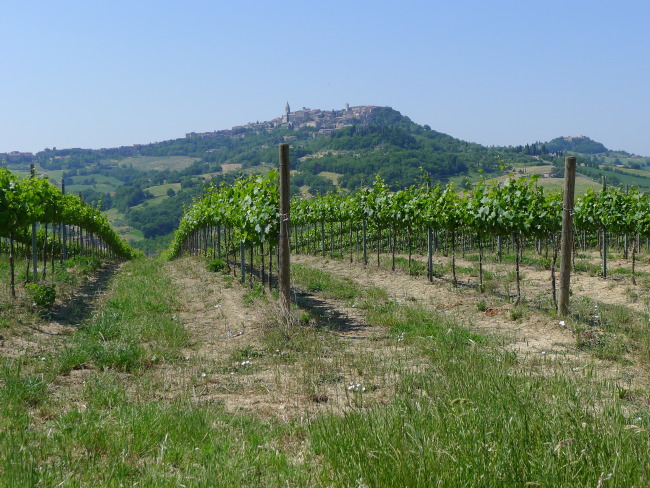
Snap above is on the country road in the hilly Tiber Valley driving from Todi to Montefalco, with the charming town of Todi in the distance, on the hill. Italy is good about having a sharp distinction between town and country. Little-to-no sprawl. Except in the big cities, you go from urban density directly to vineyards, olive groves, or forests full of deer, cinghiale, eagles, even wolves and, best of all, the ferocious and dangerously-expensive Wild Black Truffle. People like to live in towns, where they can walk to work and shop, and can say bon giorno to their neighbors.
Bit of history
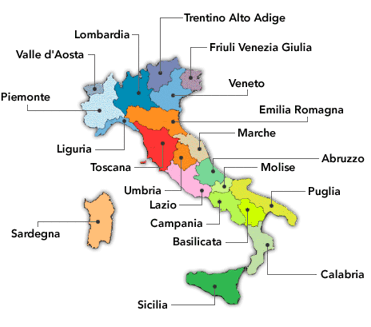
A quick history and geography of Umbria in central Italy, northeast of Rome, to put my forthcoming travel pics in context. It is generally similar to the history of the entire area we now term Italy.
Central Italy was the prehistoric land of the Etruscans (hence "Tuscany" - land of the Etruscans) and of the less-known Umbri. They were, relatively speaking, peaceful and prosperous farmers and traders. When Rome began its imperial expansion around 250 BC, Umbria up along the old trading route to the Adriatic (which the Romans later termed the Via Flaminia) seemed like an obvious target.
The Romans did their Roman thing there for 600 years until the empire began to unwind and Goths and Lombards moved into Tuscany and Umbria both by immigration and by arms in the 400s-500s. In many ways, these waves of invasion became sort of Romanized and Christianized, in time. The Byzantines were in the mix then, too.
Warring feudal duchys and kingdoms dominated the dark ages in this part of Italy, during a time when the declining Roman regions were also set upon by piratical Saracens (mainly seeking slaves for the Middle Eastern slave trade) and Normans (seeking adventure), until Papal power exerted itself and built an authoritarian, theocratic peace by the 1100s and 1200s. They were big on building castles with which to assert their powerful churchly presence, but from the days of the late empire people were building their own keeps and walls to defend themselves from foreigners and also from their neighboring towns. The Roman Legions had previously made walls and keeps unnecessary: the Roman armies had been the wall. The Pax Romana.
The Papal State pretty much controlled central Italy, perhaps to its detriment, until the Italian nation was invented 150 years ago. Roman Catholicism was pretty much corrupted by money and politics, during that era, including the Benedictines.
2011 is the 150th anniversary of that political event. Garibaldi, etc.
Geography
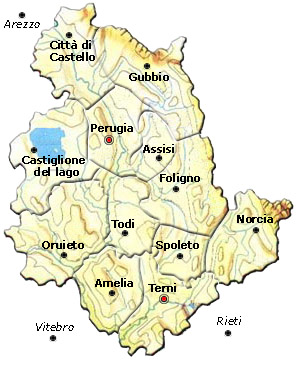
Geographically, southern Umbria divides itself into three regions: The north-south-running Tiber Valley where the Tiber flows south towards Rome, the fertile north-south running Valle Umbra which is like a mini version of California's Central Valley, and the eastern Valnerina which is the area in the majestic Appennines where the river Nera flows down to eventually join and magnify the Tiber.
We visited and stayed in incredible hotels in each of those three areas of Umbria. As in Roman times, rural and quaint Umbria is a popular Roman getaway place, full of bikers, motorcyclists, foodies, and hikers. It's only a 2 or 3 hour drive from Rome, and it is packed with "unspoiled gems."
Most of the towns were Umbrian first, Roman later, and then Medieval-Renaissance. Except for towns damaged by the war (like Terni) or by earthquakes (like Foligno), there is a lot of Renaissance, generally built on Medieval town footprints.
Except for Assisi with its bus-loads of pilgrims, we saw few non-Italian tourists and only one American couple - friendly folks from Montgomery, Alabama! Some Brits, Aussies, Austrians, and Dutch. We tend to meet people when we travel. That's part of the fun.
Todi, Amelia, Orvieto, Montefalco, and Perugia are on hills in the Tiber Valley. Towns in Umbria tended to be built on hills for defensive purposes, which is why exploring Italy is such a good physical workout. Assisi, Spoleto, Spello, and Terni are along the western edge of the Apennines where they rise from the plain. Norcia, and our monastery hotel, are in the mountains themselves near where the Nera emerges from the mountains.
Weather
Best times for Italy or any Mediterranean travel are Spring and Fall. May and October are perfect. Italy climate here.
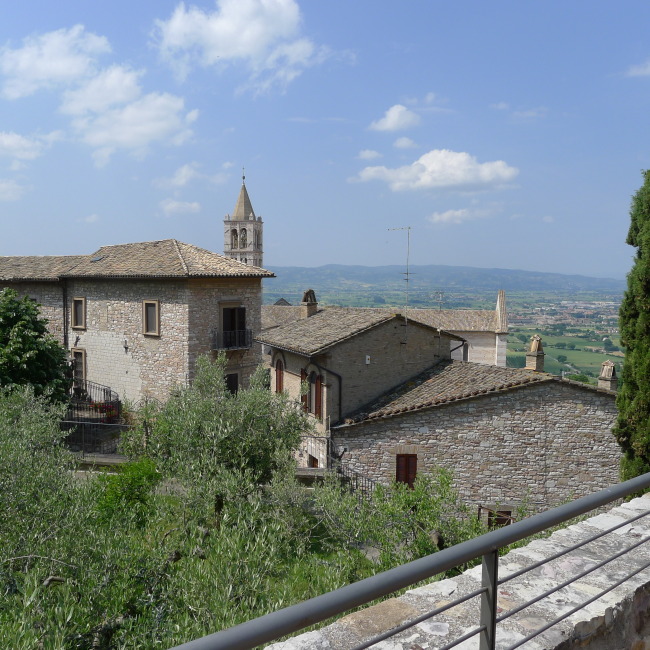
I will have lots more fun travel pics soon - Pic below of the Valle Umbra, looking west from the Assisi hillside:
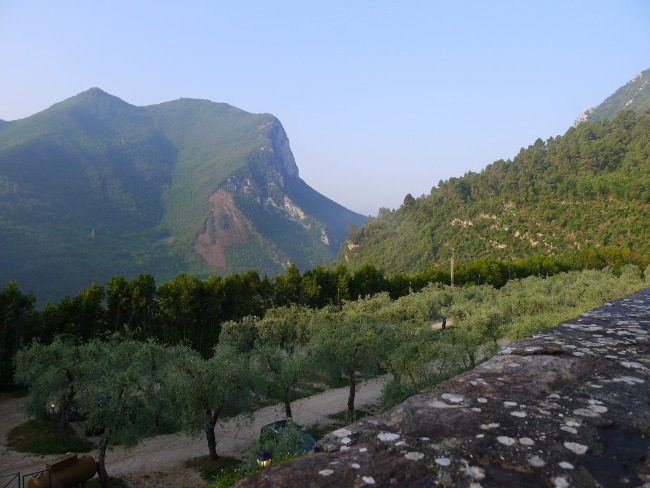
Pic below from the garden of our 6th C. Benedictine monastery hotel in the Valnerina in the Apennines, with a small hillside olive grove (doubling as parking area) below the wall. It is no wonder that people love to visit Italy: it has the food, the history, the scenery, the quaintness, the vino, the art and architecture, and the delightfully tough and fashionable Italian gals.
The President’s descriptions of the situation are comprehensive and urbane. He correctly identifies the forces at work. He develops interesting policy ideas and approaches that address important political and moral elements of the complex problems we face. He crafts approaches that might, with good will and deft management, bridge the gaps between the sides. He reads thoughtful speeches full of sensible reflections.
But the last few weeks have cast him as the least competent manager of America’s Middle East diplomatic portfolio in a very long time.
and, Mead continues,
Netanyahu beat Obama like a red-headed stepchild; he played him like a fiddle; he pounded him like a big brass drum. The Prime Minister of Israel danced rings around his arrogant, professorial opponent. It was like watching the Harlem Globetrotters go up against the junior squad from Miss Porter’s School; like watching Harvard play Texas A&M, like watching Bambi meet Godzilla — or Bill Clinton run against Bob Dole.
WILL AMERICA SEE EUROPE-STYLE RIOTS?Newsweek sounds hopeful, but in America, unlike Europe, it’s usually the taxpayers who are behind the revolutions, not the parasites.
Nobody knows what we should eat. I believe we should eat whatever the heck we want to, and ignore the experts and the nannies. We're all gonna die. Just take some Lipitor and hope for the best.
We stumbled onto this joint last week while taking a flyer down local roads en route from Bevegna to Spoleto. Wonderful drive on narrow winding roads through olive orchards, vineyards, small farms with patches of wheat, fava bean, and lentil, and tiny antique villages. But, of course, in Italy, when you stop for a coffee, a "coffee" means a 1/2 inch of intense espresso at the bottom of a tiny cup. A delicious half-mouthful if you add a bit of sugar, but nothing to linger over or to put in your car's cup holder.
If you request a cafe Americano, they just add some hot water to it.
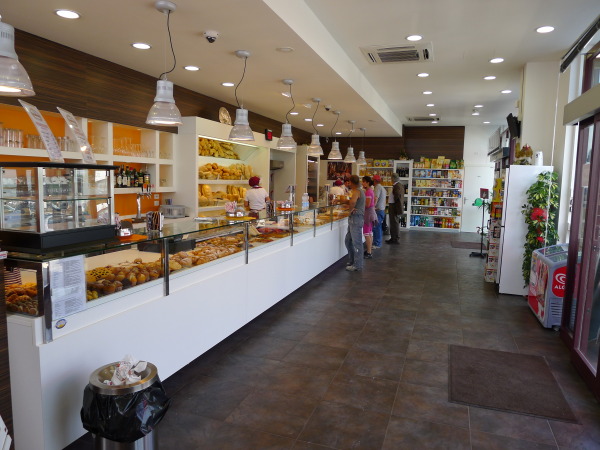
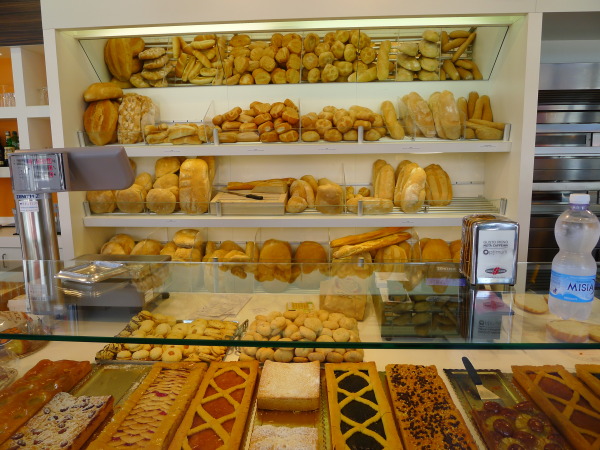
This roadside charmer, like most such places in Italy, offers Italian pastries, beer, wine, cocktails, breads, sandwiches made to order, rustic pizzas, etc., to go or to eat there on plastic chairs in the A/C. Yes, you can have a smoke inside. Everybody does. Often, the serving people fix up your order with a cigarette hanging out of their mouths like the good old days, and I do not think they care deeply about what the EU or anybody else thinks about that.
Dunkin Donuts does not offer beer or wine, and you cannot smoke in there. We stopped for some water (water with "gas" - always - that evil CO2) and a quick cafe.
Never order pizza in Italy - it's terrible stuff. It was the Neapolitan immigrants to America who made it into a tasty treat - and the Italians have little interest in learning about the gastronomic arts from Americans.
I would remind the Italians of these facts: Tomato, from the New World. Potato, from the New World. Squash, from the New World. Polenta, from the New World. Pasta, from China. Risotto, from China. What did they eat before all of that?
Watched this movie on my flight from Paris to the USA earlier today (or yesterday?). Not a great boxing movie, but it does capture elements of the Irish (or could just as easily be Italian) blue-collar world of New England.
The movie is set in Lowell, MA, a rough working-class town outside of Boston. My olde New England contains a disappearing old Yankee breed, a disappearing semi-old multi-ethnic farming contingent (especially Poles from the later 1800s), and, in urban and semi-urban areas, large Irish and Italian-origin populations which stick to many of their old ways. Increasing numbers of Mexicans are appearing, too - some in the illegal drug biz and the better ones are masons or in the army of unskilled laborers.
Mrs. BD and I have concluded that Umbria is a more varied and interesting place to visit than Tuscany. I have a well-travelled friend who agrees. Umbria is, except for the tourist magnets of Perugia and Assisi, off the beaten track. We have been around much of Italy in the past, and the Latin and Italian scholar lad has been literally everywhere there.We had not toured Umbria and the old Via Flaminia (which it is still called). Mrs. and I just returned home from our delightful adventure. As I get my thoughts and pics organized, I will go over some of it: History, food, geography, etc.
I do have some ideas about how to make it more interesting and educational than a totally dull photo slideshow for Maggie's. Will do my best with a multi-part series of my travel snapshot journal. Bear with me: I will try to make it interesting.
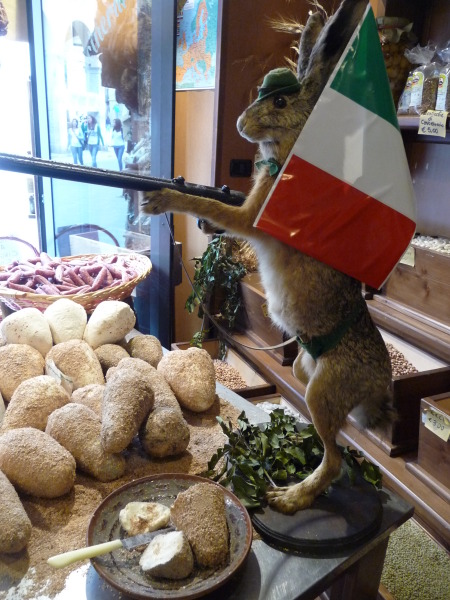
Too tired to begin that now, but here's one photo to maybe inspire some interest in my posts to come, from one of Norcia's (pronounced nor' - cha) famous pork, cheese, and Black Truffle shops. They love their aged Cinghiale meats and sausages in Umbria (Cinghiale is Wild Boar, not our American feral pig which is not too tasty). In much of Europe, wild game is sold in markets (which is illegal in the US).
The market shops always have samples of their own aged ricotta dura (a harder and delicious version of ricotta which is good for salads), their superb Pecorino from sheep milk, or of their sausages. I was tempted to smuggle a large wheel of Pecorino Dura, but decided not to test the mysterious customs laws on importation of foods.
They roll the aged ricotta in toasted wheat for a skin, as below:
I was surprised to stumble upon the fact that the common earthworm, the gardener's friend, is not native to the US and Canada: most worm species are "invasive" introductions from Europe, and have been spread across the country in plant material.
A few more interesting facts:
- The earthworm has been very destructive to several types of forest habitat by consuming deep forest litter (leaves). Ecologists consider them invasive pests in some habitats.
- Earthworms are killed by most pesticides. Fertilizer doesn't seem to bother them.
- Darwin calculated that earthworms can recycle and refresh the surface soil to the tune of 10 tons of soil per acre per year. Count me as a skeptic on that number, but they do churn the soil.
- Yes, some species of earthworm can regenerate lost body segments. No need for tears when you chop one with the shovel.
- Worms need food. For a wormy lawn or garden, it needs to be top-dressed or mulched with organic material. I do a generous top-dressing of peat moss or well-rotted cow manure once or twice twice a year, and after the heavy spring lawn growth, I leave the grass clippings where they fall. I like to mulch up the early autumn fallen leaves with the mowers, too.
A green lawn treated with pesticides, nurtured solely with inorganic fertilizers, and with automatic irrigation, is little more than a corpse with make-up.
17:22 Then Paul stood in front of the Areopagus and said, "Athenians, I see how extremely religious you are in every way.
17:23 For as I went through the city and looked carefully at the objects of your worship, I found among them an altar with the inscription, 'To an unknown god.' What therefore you worship as unknown, this I proclaim to you.
17:24 The God who made the world and everything in it, he who is Lord of heaven and earth, does not live in shrines made by human hands,
17:25 nor is he served by human hands, as though he needed anything, since he himself gives to all mortals life and breath and all things.
17:26 From one ancestor he made all nations to inhabit the whole earth, and he allotted the times of their existence and the boundaries of the places where they would live,
17:27 so that they would search for God and perhaps grope for him and find him--though indeed he is not far from each one of us.
17:28 For 'In him we live and move and have our being'; as even some of your own poets have said, 'For we too are his offspring.'
17:29 Since we are God's offspring, we ought not to think that the deity is like gold, or silver, or stone, an image formed by the art and imagination of mortals.
17:30 While God has overlooked the times of human ignorance, now he commands all people everywhere to repent,
17:31 because he has fixed a day on which he will have the world judged in righteousness by a man whom he has appointed, and of this he has given assurance to all by raising him from the dead."
No man loves marshes and bogs more than I do. The variety of life they contain, protect, and support, from protozoans to minnowsto bass to amphibians to snakes to deer to woodpeckers to geese and ducks to eagles to bears is astonishing, and feels primeval.
Except for river-fed or run-off-fed marshes, though, most sizeable fresh-water marshes are ephemeral geographical features. In the northern US, most are the remnants of post-glacial ponds and lakes, gradually filled in with plant detritus and, just before they become the damp meadows that the Moose enjoy so much, the sphagnum bogs which, in Canada, are the source of most of our soil-enhancing peat moss.
The only sources of new marshes in the US are man (who is more inclined to fill them for building lots than to create them or rehabilitate them - except for Ducks Unlimited), and the Beaver:
And that is one reason we appreciate the remarkable beaver so much. He not only creates marshes, but he recycles them. I doubt that there is a single beaver marsh in the US which has not been used, on and off (until they have eaten or cut down everything they can find) over the several thousands of years since our last Ice Age buried Manhattan under a mile of ice.
Here are some of the critters I see (or hear) most often in the immediate vicinity of our small (8 acre) beaver marsh in western MA over the past few years - off the top of my head and probably omitting some:
Beavers (of course) Otter Black Bear Raccoon White-tailed Deer Red Fox Coyote (alas)
Wood Duck (nesting) Black Duck (nesting) Mallard (nesting) Canada Goose (nesting) Pileated Woodpecker Downy Woodpecker Hairy Woodpecker Red-bellied Wodpecker Ruby-Throated Hummingbird Veery Wood thrush E. Phoebe Wood Pewee Great Blue Heron Green Heron Tree Swallow Barn Swallow Kingfisher Swamp Sparrow Grasshopper Sparrow Song Sparrow Barred Owl Screech Owl Great Horned Owl Baltimore Oriole (Northern Oriole) Marsh Wren Turkey Goldfinch (nesting) Warblers of all sorts (during migration) Turkey Vulture Red-Tailed Hawk Sharp-Shinned hawk Red-shouldered Hawk Broad-winged Hawk Sparrow Hawk (Kestrel) E. Bluebird E. Kingbird Ruffed Grouse Cedar Waxwing Catbird
Wood Turtle Eastern Painted Turtle Snapping Turtle Garter Snake Eastern Water Snake Black Snake
Bullfrog Eastern Newt (and their Red Efts by the trillions in the adjacent woods) Leopard Frog Green Frog American Toad Wood Frog Spring Peeper E. Gray Tree Frog
I like to keep track of our wildlife. It is one way of loving and embracing this world.
The word bites like a fish. Shall I throw it back, free Arrowing to that sea Where thoughts lash tail and fin? Or shall I pull it in To rhyme upon a dish?
"It is thus necessary that the individual should come to realize that his own ego is of no importance in comparison with the existence of his nation; that the position of the individual ego is conditioned solely by the interests of the nation as a whole ... that above all the unity of a nation's spirit and will are worth far more than the freedom of the spirit and will of an individual. .... This state of mind, which subordinates the interests of the ego to the conservation of the community, is really the first premise for every truly human culture .... we understand only the individual's capacity to make sacrifices for the community, for his fellow man."
Adolph Hitler, 1933. There is no doubt that the Nazi movement was, at its core, a Socialist movement. The only thing about it that could be construed as at all "rightist" was its ardent nationalism.
My question is this: If the National Socialist Party had left the Jews alone, would the Nazis have been heroes of the Left, as Stalin was?
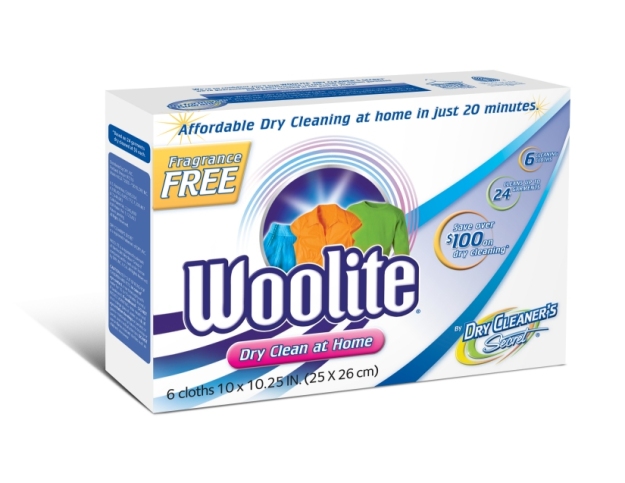
You spray a little stuff on the stains, then throw it in the dryer with the special paper thing. She says it works well for her skirts, jackets, and sweaters.
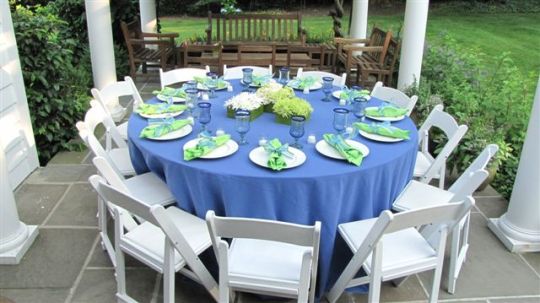
Mrs. BD is good with flowers and other things. It always amused me that she thought she invented flat flower arrangements until a flower arrangement judge informed her that her multi-level blue-ribbon construction was pave (with accent aigu), but inventively layered to a 6' height. Pave, once a popular avant garde style, is commonplace nowadays. It's good because it does not block cross-table conversation.
I was fortunate to recently hear a noted quartet play one of Brahms' masterpieces, his Piano Quartet in G Minor, Op.25, in an intimate setting. I am fortunate to live where there is plenty of live chamber music, and I am always happy to go listen.
I love chamber music as much or more than orchestral (too bad chamber music didn't have drum sets, though) but, with my tin ear and my slow brain, it takes me several hearings to get the structure, intent, and the direction of a composition unless I have studied it in advance. (Folk, blues, and pop are easy for my brain.) I mentioned this disability to Mrs. BD in reference to the G minor, and she replied "What do you mean? This is as clearly structured, developed, and disciplined a chamber piece as I have ever heard. The structure is transparent."
Listen to the whole piece for a day or two, if you need that as I do. It's a musical journey.
Here's just the familiar Finale, Movement 4 - the Rondo alla zingarese - a dance piece if there ever was one:
Mrs. BD and I have been taking the William and Mary course in Medieval History (with the delightfully Asperger's-ish Prof. Daileader via The Teaching Company) and we are enjoying it immensely. I do not like to sit unless I am at work, but this course gets me into a chair after work. (We live and thrive on the Teaching Company courses at my cottage, as readers know.)
The Prof says that the wealth of the Middle Ages came from a combination of trade and the renewal of currency in the form of the Italian Florin, the introduction of the heavy plow, the replacement of slavery with serfdom, a doubling of Europe's population - and the Medieval Warm Period which made it possible to grow better crops much further north than in the Dark Ages - and further north than today. Greenland was farmland.
The Warm Period was far warmer than the world today. People benefited. That's why we pray for Global Warming (but also doubt that humankind will be so lucky. With our luck, we'll get the next Ice Age and all be screwed except for Dr. Merc).
It was after morning recess in Mrs. Winter’s sixth grade class at Mapleton School. I remember the moment precisely, when the boy behind me, right in the middle of the lesson, leaned over his desk and my shoulder to whisper in my ear that if I’d take a nickel down to Woolworths at Broadway and Pearl, I could buy this fishing “thing” with which I could catch lots of fish out at East Dagues Lake.
The weakness of all Utopias is this: that they take the greatest difficulty of man and assume it to be overcome, and then give an elaborate account of the overcoming of the smaller ones. They first assume that no man will want more than his share, and then are very ingenious in explaining whether his share will be delivered by motorcar or balloon.
G.K. Chesterton (h/t Dr. Bob, who seems to have quit writing)
Well, so are all dog breeds, until someone gives them a breed name. But Brittanys aren't really true Spaniels (here are the main spaniel varieties - more of 'em than you might have thought), which is why we call them plain Brittanys. They are more pointers, or setters, or something. A mix of various random things that happened to come together well.
Who cares what you call them. In our neck of the woods, Brittanys are the best all-purpose dog for the field, and maybe the most popular gun dog. They point birds, they retrieve, they do not mind water retrieves; they are bundles of energy and affection, and they are easy to train - a cross look is usually enough to get your point across to these emotionally-sensitive critters. The larger American version can handle the large spaces.
But you need at least two of them. One Brittany isn't a fully happy dog. They need the exercise and the company they can give each other. Every hunter, or every human, can use a few sweet Brittanys around the place.


 Transportation in Bob Dylan's Music
 Classic newsreel: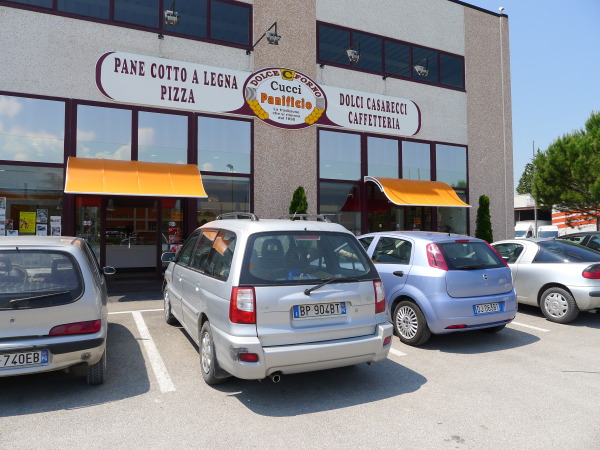
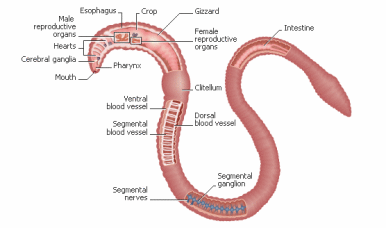 I was surprised to stumble upon the fact that the common earthworm, the gardener's friend, is not native to the US and Canada: most worm species are "invasive" introductions from Europe, and have been spread across the country in plant material.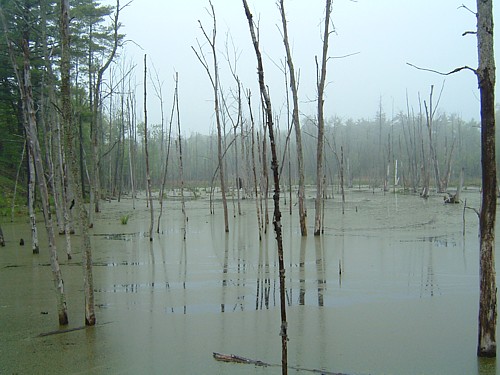
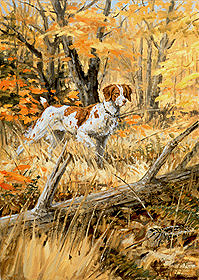 Well, so are all dog breeds, until someone gives them a breed name. But Brittanys aren't really true Spaniels (here are the